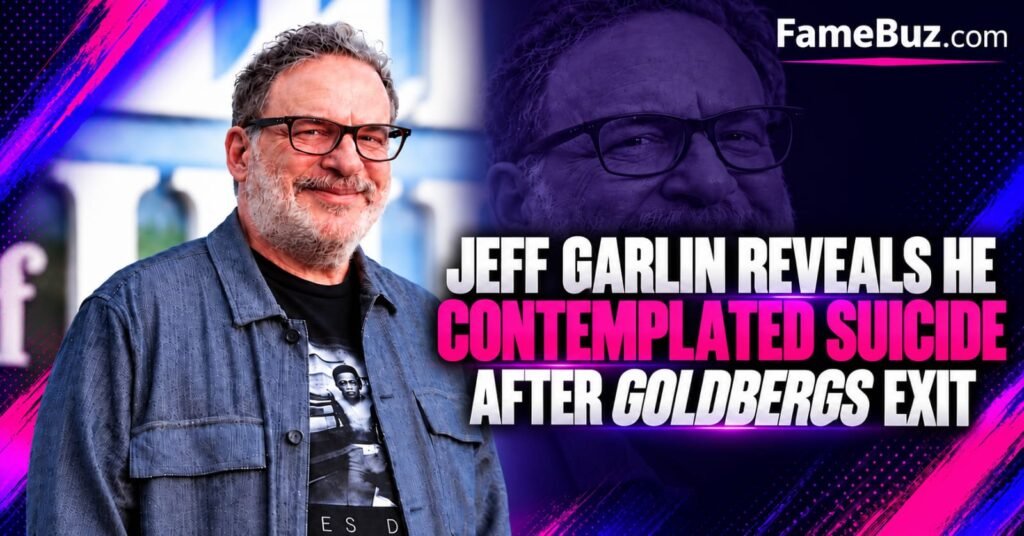
Jeff Garlin Opens Up About His Mental Health Crisis After The Goldbergs Exit
Actor and comedian Jeff Garlin is speaking candidly about one of the most difficult periods of his life, revealing that the turmoil surrounding his departure from The Goldbergs coincided with a serious mental health crisis. During a conversation with actor Ted Danson on the SiriusXM podcast Where Everybody Knows Your Name, Garlin reflected on his emotional struggles, the support he received from people close to him, and the treatment that helped him begin rebuilding his life.
Garlin, best known for playing Murray Goldberg on ABC’s family sitcom The Goldbergs and Jeff Greene on HBO’s Curb Your Enthusiasm, described reaching a point when he feared he could not continue. He said he contacted longtime friend and Curb Your Enthusiasm co-star Susie Essman during the crisis. Essman then contacted people close to him, helping bring together a support network while they searched for professional care.
His account offers a personal look at the emotional toll he says he experienced during a turbulent chapter of his career. It also highlights how recovery can take time, even after someone receives immediate help.
Jeff Garlin Recalls a Serious Mental Health Crisis
In the podcast conversation released on October 21, 2026, Garlin revisited the mental health crisis he experienced around the time of his 2021 departure from The Goldbergs. He described the period as a breakdown and spoke openly about having suicidal thoughts.
Garlin recalled contacting Essman and telling her how serious his situation had become. According to his account, Essman responded by reaching out to people who could help, including his ex-wife, Marla, his girlfriend, Sari Tracht, and his close friend Brad Morris.
The people around him began looking for a treatment facility where he could receive appropriate care. Morris stayed with Garlin while the search continued, according to the actor’s recollection.
Garlin’s decision to speak publicly about the experience brings attention to a side of life that audiences do not always see when they watch a familiar performer on television. A successful career can coexist with private distress, and a person’s public image does not necessarily reveal what they are experiencing away from work.
The actor’s story is also a reminder that taking a friend’s disclosure seriously can matter. In Garlin’s case, he said that Essman and his wider circle responded when he reached out during an especially vulnerable moment.
How The Goldbergs Exit Became Part of His Story
Garlin played Murray Goldberg, the blunt but loving father at the center of The Goldbergs, from the sitcom’s 2013 premiere until his departure during its ninth season. The show drew inspiration from creator Adam F. Goldberg’s childhood and became a long-running part of ABC’s comedy lineup.
Garlin’s exit in 2021 was surrounded by controversy. An internal human resources investigation followed complaints about his alleged behavior on set, including conduct that colleagues reportedly found uncomfortable. Garlin and Sony Pictures Television ultimately agreed that he would leave the series.
The actor has disputed allegations and previously described his behavior as silliness rather than misconduct. His account of what happened at work has not been accepted by everyone involved. Former co-star Wendi McLendon-Covey has challenged aspects of his characterization of the workplace situation, saying that her recollection differs from his.
These distinctions matter. Garlin’s recent comments provide his perspective on the events and their impact on his well-being, but they do not independently settle the disagreements surrounding his conduct or departure.
In the podcast interview, Garlin described tensions with some cast members and members of the crew. He said he did not fully understand the extent of those feelings at the time. Looking back, he connected the professional uncertainty and strained relationships with a period in which he was struggling emotionally.
His story illustrates how a workplace dispute can become especially difficult when it unfolds in public and affects a person’s identity, livelihood, and relationships. However, his experience should not be taken as proof that every aspect of the controversy happened exactly as he remembers it.
The Difficult Decisions Surrounding His Departure
Garlin also revisited discussions about whether he would return to the sitcom after tensions had developed. According to his account, a producer approached him about coming back, and Garlin proposed a substantial raise alongside a reduced work schedule.
He recalled that the proposal was accepted, but the arrangement did not resolve the broader difficulties. Garlin said he felt resentment from some of his colleagues and described being unaware of the depth of the tensions at the time.
He also discussed the prospect of continuing to work on the show under unusual circumstances. Although the reduced schedule initially seemed workable, he said he became increasingly uncomfortable with the situation.
These recollections add context to how Garlin remembers the final period of his time on The Goldbergs. They also demonstrate why the story remains complicated: a production’s workplace concerns, an actor’s interpretation of those concerns, and the actor’s mental health are related parts of the account, but they are not interchangeable issues.
Garlin’s emotional crisis deserves to be taken seriously without erasing the experiences of colleagues who raised concerns. Similarly, acknowledging workplace complaints does not require dismissing the mental health difficulties he says he faced. Both aspects can be reported carefully and without assuming that one cancels out the other.
Susie Essman and His Loved Ones Helped Him Find Care
One of the most significant parts of Garlin’s account concerns the people who responded when he asked for help. He credited Essman with taking his message seriously and contacting people who could support him.
According to Garlin, Essman reached out to his ex-wife and girlfriend, who then involved Morris. His friends and loved ones researched treatment options and worked to find a facility that could accommodate him.
Garlin said the available choices included facilities in California and Ohio. He ultimately chose to seek treatment in Cincinnati, describing the decision as a serious step toward getting help.
The account highlights the practical role that a support network can play during a mental health emergency. Concerned friends and family members may help someone find professional services, arrange care, and avoid being alone while urgent decisions are made.
It is important, however, not to suggest that loved ones can replace qualified mental health professionals. Their support can help someone reach care, while clinical professionals can assess the situation and recommend appropriate treatment.
Garlin’s recollection is particularly notable because he described being willing to tell someone how much danger he felt he was in. Speaking openly about a crisis can be difficult, but his experience shows why a direct message about someone’s safety should never be brushed aside.
Treatment in Cincinnati Became a Turning Point
Garlin said he received dialectical behavior therapy, commonly known as DBT, during treatment in Cincinnati. DBT is a structured form of psychotherapy that can help people develop skills for managing intense emotions, coping with distress, and navigating difficult relationships.
According to Garlin, the treatment helped him move beyond the immediate crisis and reach a point where he was no longer experiencing the same suicidal thoughts. He described receiving help that allowed him to regain stability.
His comments should not be interpreted as a claim that one treatment works the same way for everyone. Mental health care varies depending on an individual’s needs, circumstances, and professional assessment. DBT is one evidence-based approach, and a clinician can help determine whether it is suitable for a particular person.
Garlin also discussed receiving treatment for bipolar disorder, which he said had gone undiagnosed during his time on the sitcom. He reflected on changes in his moods and behavior that he did not fully understand at the time.
Bipolar disorder is a mental health condition involving episodes of changes in mood, energy, activity, and functioning. Only a qualified professional can diagnose it, and symptoms differ from person to person. Garlin’s comments describe his own experience rather than providing a diagnosis for anyone else.
By discussing his treatment publicly, the actor has added his voice to wider conversations about mental health care and the challenges of recognizing when someone needs professional support.
Recovery Took More Than One Step
Garlin emphasized that leaving the immediate crisis behind did not mean that everything improved overnight. He described a longer process involving therapy, medication, and continued efforts to regain a sense of balance.
He credited treatment and medication for bipolar disorder with helping him feel more stable over time. He also mentioned Alcoholics Anonymous, boxing, physical fitness, and creative work among the elements that became part of his life after the crisis.
His account underlines an important distinction between receiving urgent help and sustaining recovery. A crisis may require immediate intervention, while longer-term well-being can involve ongoing appointments, treatment adjustments, supportive relationships, and routines that help a person manage daily life.
There is no single timeline for recovery, and progress is not always linear. Garlin’s description of taking years to feel genuinely better illustrates that rebuilding emotional stability can be a gradual process.
His comments also challenge the assumption that a person’s career achievements necessarily reflect their mental health. Garlin had spent years working in television and comedy, yet he says he was experiencing serious personal difficulties during the same period.
The actor’s willingness to reflect on those experiences may help audiences understand that mental health struggles are not limited to one profession, income level, or public profile.
Jeff Garlin Says He Is Feeling Better Today
Looking back several years after the crisis, Garlin said he was finally feeling genuinely good. He described a greater sense of contentment and credited the time he had spent working on his health.
That statement does not mean the difficulties surrounding his departure from The Goldbergs have been resolved in every respect. Nor does it establish that recovery follows a fixed path. Instead, it reflects Garlin’s personal assessment of where he is now after a prolonged period of treatment and adjustment.
Garlin has continued to pursue creative interests outside the sitcom that made him widely recognizable to television audiences. His career has included stand-up comedy, acting, directing, podcast appearances, and writing. His recent public discussion of his mental health is another example of a performer reflecting on experiences beyond the roles audiences know.
He also has a new book, Best Seat in the House: Moments No One Asked Me to Capture…But I Did Anyway, which was released in September 2026, according to entertainment coverage. The project is part of his ongoing creative life, although it should not be treated as a substitute for or explanation of his mental health treatment.
For now, the most significant element of his account is his statement that he has reached a healthier place after years of work. It offers a hopeful update while recognizing that the period he described was serious.
Why Garlin’s Story Matters Beyond Hollywood
Celebrity mental health stories often attract attention because they reveal a contrast between a performer’s public persona and private experiences. Garlin’s account is significant not simply because he is a recognizable actor, but because it illustrates how distress can remain hidden even when someone appears professionally successful.
His story also shows the importance of responding when someone says they are in danger. Essman’s response, followed by the involvement of Garlin’s loved ones, helped him connect with professional care, according to his recollection. Their actions are a reminder that listening, staying engaged, and helping someone access qualified support can be meaningful.
At the same time, public discussion should avoid turning a serious mental health crisis into entertainment or reducing a complicated workplace dispute to a simple story of heroes and villains. Garlin’s account deserves compassion, while allegations about his behavior and differing recollections from colleagues should be represented accurately.
The broader lesson is that mental health challenges and workplace accountability can both deserve attention. One does not automatically disprove the other. A careful understanding of the story requires listening to the people involved, distinguishing personal accounts from independently established facts, and avoiding speculation about private experiences.
For readers who recognize aspects of their own lives in Garlin’s account, the story can also serve as a reminder that seeking professional help is a valid and important step. People experiencing a mental health crisis do not have to manage it alone, and trusted people can help them connect with appropriate services.
What Comes Next for Jeff Garlin?
Garlin’s latest interview revisits a painful chapter in his life while offering an update on the progress he says he has made since then. His account connects the end of his time on The Goldbergs with a period of severe emotional distress, followed by treatment, continued therapy, medication, and support from people close to him.
The circumstances of his exit from the sitcom remain a matter of differing accounts. Garlin has challenged allegations about his conduct, while former colleagues have disputed parts of his recollection. Those disagreements should be understood separately from his description of the mental health crisis he experienced.
What is clear from the recent interview is that Garlin wants to speak openly about the severity of that period and the lengthy work that followed. He says he is now feeling much better, after years of working toward greater stability.
For an actor whose career has spanned stand-up, television, film, and writing, the conversation provides a personal perspective beyond his best-known roles. It also emphasizes a broader point: mental health struggles can affect people from every walk of life, and meaningful support and professional care can be important parts of recovery.
As Garlin continues to discuss his experiences, the story is likely to remain part of the public conversation around his departure from The Goldbergs. Reporting it responsibly means giving his account space while maintaining accuracy, respecting the seriousness of mental health issues, and avoiding unsupported conclusions about the people involved.